Upgrade Your Home With Professional Structural Design Assistance
Advancing a home through professional architecture services involves more than just visual elements. It involves a deep understanding of usable design and local building codes. Engaging an veteran architectural professional can address everyday obstacles while strengthening property equity. The process is systematic and thorough, promising that every detail aligns with the homeowner's expectations. Yet, many homeowners struggle to navigate this journey competently. What steps can they take to secure a successful association?
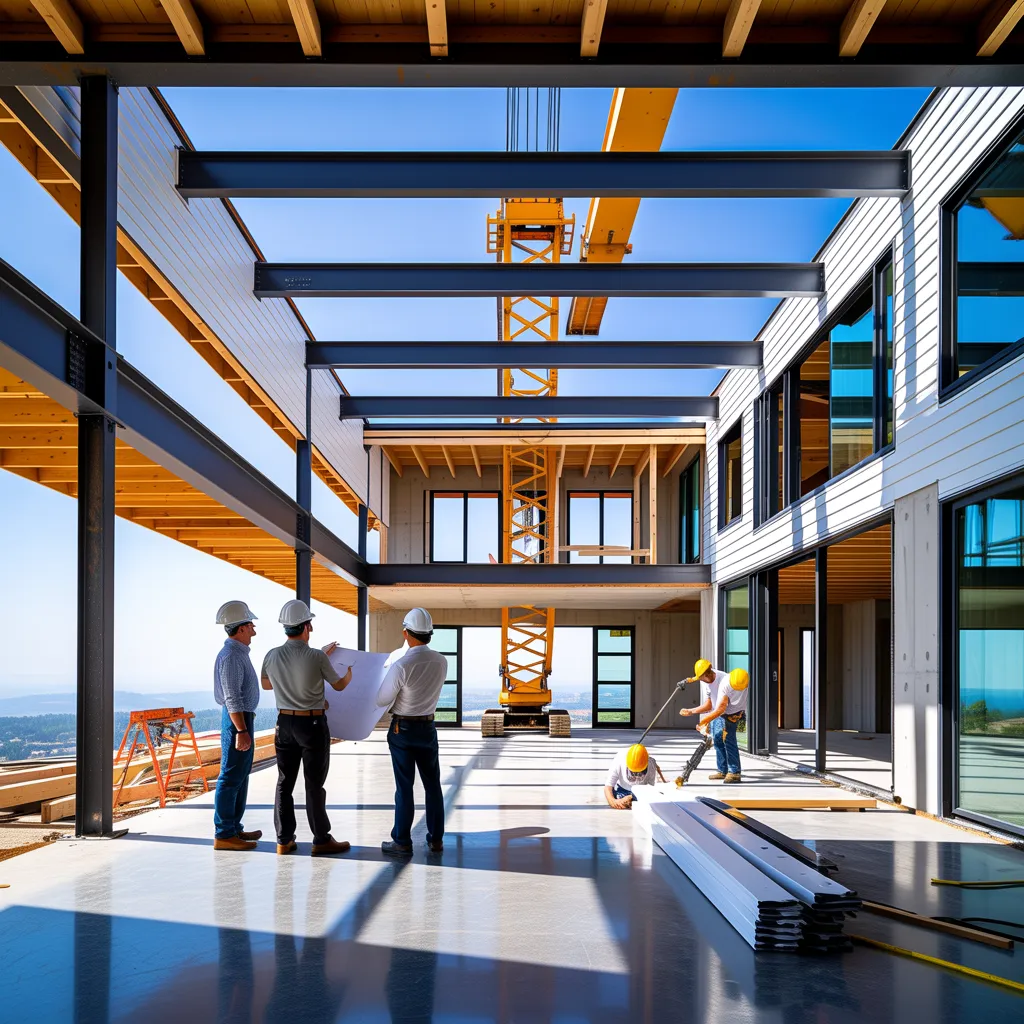
Common Home Design Issues and How Architects Assist
What causes home design to be so overwhelming for most homeowners? The challenge of balancing design preferences with functional requirements often exhausts them. Homeowners frequently struggle with spatial constraints, budget limitations, and regulatory requirements, complicating the process more challenging. Additionally, many lack the specialized expertise required to manage building considerations and building codes.
Architects maintain an fundamental role in tackling these hindrances. Their professional preparation outfits them to navigate the intricacies of design, assuring that a homeowner's aspiration aligns with tangible circumstances. Architects can furnish revolutionary remedies to enhance space while upholding protection standards. They also facilitate in constructing harmonious designs that represent the homeowner's character. By offering wisdom into materials and erection methods, architects enable streamline the deliberation process. At the end of the day, their expertise metamorphoses a seemingly intimidating endeavor into a collaborative journey, cultivating a sound balance between imaginativeness and practicality in residential planning.
Reasons to Team Up With a Professional Architect
Partnering with a accomplished architect enhances the house planning experience by integrating specialized understanding with the client's perspective. Architects offer a tremendous depth of knowledge in design practices, building codes, and green methods, ensuring that the endeavor not only satisfies visual aspirations but also complies with compliance requirements. Their ability to visualize and articulate challenging concepts supports converting theoretical ideas into realized blueprints.
Additionally, architects can deliver innovative approaches to spatial issues, refining functionality and layout. They also handle the intricacies of the building process, coordinating with contractors and suppliers to guarantee schedules and finances are maintained. This professional guidance reduces potential errors and decreases the tension related to home renovation or construction. In the end, engaging with an architect results in a unified, well-designed space that captures the homeowner's character while improving overall home value.
What Are the Critical Stages in the Design Procedure?
How does the architectural process unfold from concept to finish? The process begins with an initial consultation, where the designer and client discuss objectives, requirements, and financial plan. This stage is crucial for establishing a distinct direction. Next, the designer performs location evaluation, evaluating elements like terrain, climate, and zoning regulations.
Following this, the planning stage begins. Here, sketches and full article digital models are developed, allowing the client to see the project. Once the design is completed, the architect prepares detailed construction documents, containing specifications and drawings.
After securing necessary permits, the project enters the building stage. The architect often collaborates with contractors to ensure that the plan is executed correctly. Frequent site visits and evaluations help maintain standards and adherence to the original vision. Finally, the project concludes in a walkthrough, verifying that the finished structure satisfies the client's expectations before the official handover.
How Do You Locate the Perfect Architect for Your Home?
Locating the perfect designer for a residence involves thorough consideration and research. Potential homeowners should begin by establishing their specific requirements and financial plan, which will direct their search. Suggestions from acquaintances, family, or property experts can offer valuable leads. Internet collections of work and reviews help in assessing an designer's past projects and client satisfaction.
Next, interested parties should consult with multiple prospects to evaluate their communication style, experience, and design methodology. It's vital to address timelines and project expectations to ensure alignment. Furthermore, verifying credentials and checking for proper licensing and credentials can prevent future complications.
To conclude, homeowners should trust their instincts. The ideal architect should not only command the necessary skills but also harmonize with the homeowner's direction and values. This synergy supports a collaborative environment, finally facilitating a effective collaboration in realizing a cherished residence.
Approaches to Articulate Your Ideas Proficiently
Communicating a direction for home design effectively is vital for a solid relationship between homeowners and architects. To accomplish this, homeowners should start by explicitly identifying their desires and preferences. Developing a mood board with images, colors, and materials can help expressing aesthetic wishes. Additionally, detailing operational requirements, such as room size and arrangement, confirms that the professional grasps practical factors.
Property owners should also engage in open dialogue, promoting questions and feedback to refine their vision. Frequent meetings throughout the planning phase foster collaboration and transparency. Using clear communication to express ideas and concerns can avoid misunderstandings and help match expectations.
In conclusion, embracing the architect's proficiency permits a more lively conversation. By uniting personal vision with professional insight, homeowners can build a constructive relationship that creates a beautifully designed space expressing their aspirations.
How to Budget for Architecture Solutions
While beginning a home design project, setting a budget for architecture services is crucial to avoid financial strain later. Homeowners should begin by researching typical fees in their area, which can vary based on the project's complexity and the architect's experience. It is recommended to allocate a percentage of the overall project cost specifically for architectural services, typically ranging from 5% to 15%.
Next, clients should consider the range of offerings needed—whether they require full design and project management or just preliminary discussions. Having transparent conversations with prospective architectural firms about their fee structures can offer insight on costs.
Additionally, homeowners should account for unexpected expenses and potential revisions, establishing a financial reserve in the budget. By explicitly outlining their monetary limits upfront, customers can guarantee they select an architect who aligns with their objectives while adhering to their financial limits.
Frequently Asked Questions
What Designs of Building Design Are Possible for My Home?
Homeowners can choose from multiple architectural styles, including modern, traditional, colonial, Mediterranean, and contemporary. Each style offers distinctive aesthetics and functionality, allowing individuals to express personal taste while taking into account regional influences and environmental factors.
How Much Time Does the Architectural Process Generally Consume?
The design undertaking typically requires numerous months, based on project complexity, design clearances, and local restrictions. Elements such as client direction and work schedules can also determine the schedule significantly over the full process.
Can Architects Support With Green Construction Alternatives?
Architects can indeed assist with eco-friendly design options. They incorporate eco-friendly materials, energy-efficient systems, and creative floor plans, guaranteeing projects minimize environmental impact while maximizing functionality and aesthetic appeal, matching with clients' sustainability goals successfully.
Which Qualifications Should I Look for in an Architectural Expert?
When selecting an building designer, one should review their training, certification, experience in relevant projects, body of work reflecting their design philosophy, and understanding of local regulations. Communication skills and client testimonials also matter greatly in the choosing process.
In What Manner Do Architects Navigate Zoning and Permit Questions?
Architects tackle regulatory obstacles by performing comprehensive analysis on regional requirements, preparing necessary documentation, and working with municipal authorities. Their proficiency ensures compliance, streamlining the permitting timeline for customer developments effectively.